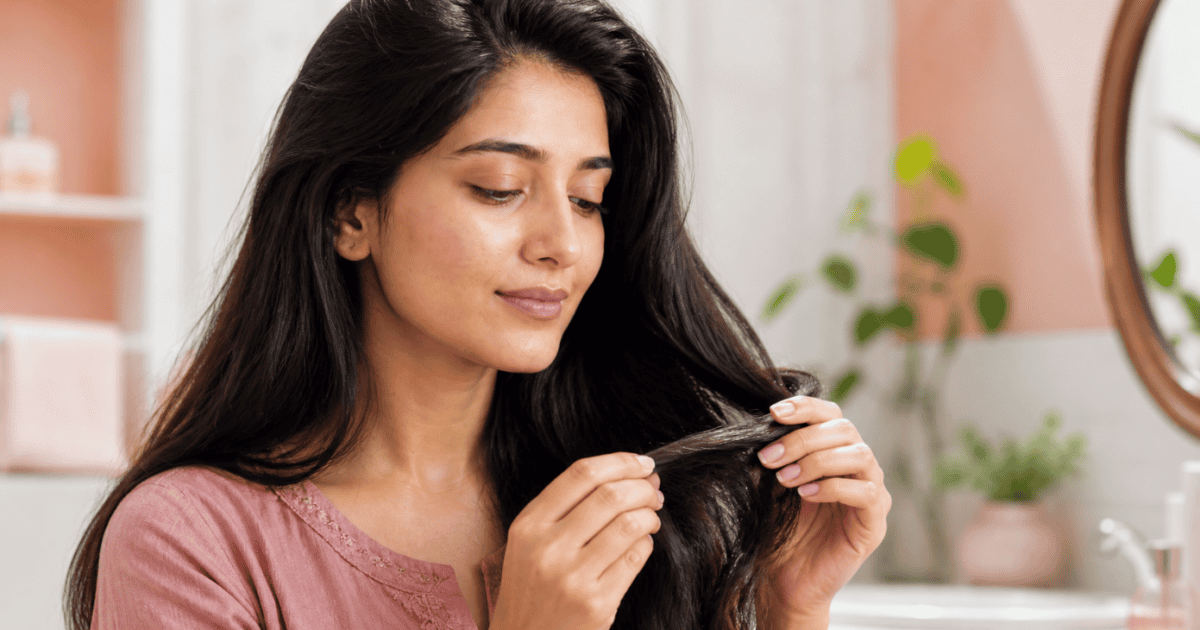
Hair breakage and split ends are two of the most common hair problems that women face — and the frustrating part is that they often go hand in hand. If your hair feels weak, snaps easily when you brush it, or has rough, frayed ends that refuse to grow, you are not imagining it. The good news is that with the right habits and a little extra care, you can stop the damage, strengthen your hair from root to tip, and finally see real length retention.
What Causes Hair Breakage and Split Ends?
Before fixing the problem, it helps to understand what is causing it. Hair breakage happens when the hair shaft becomes weak and literally snaps in the middle or near the roots. Split ends happen when the protective outer layer of the hair — called the cuticle — wears away at the tip, causing it to fray and split into two or more strands.
Heat damage from straighteners, curling irons, and blow dryers is one of the biggest culprits. High temperatures strip moisture from the hair shaft and make it brittle over time.
Harsh chemical treatments like bleaching, coloring, keratin treatments, and relaxers weaken the hair’s protein structure significantly.
Rough handling such as aggressive brushing, tight ponytails, and sleeping on rough cotton pillowcases creates physical stress on strands that leads to breakage.
Dryness and lack of moisture is extremely common for Pakistani women because of the hot, dry climate in cities like Lahore, Karachi, and Islamabad, as well as frequent washing with strong shampoos that strip natural oils.
Poor diet and nutritional deficiencies — especially low iron, biotin, and protein intake — weaken hair from the inside, making it more prone to snapping.
How to Prevent Hair Breakage: 10 Proven Tips
1. Deep Condition Your Hair Every Week
Moisturized hair is flexible hair, and flexible hair does not break. A weekly deep conditioning treatment replenishes lost moisture and smooths the cuticle. You can use a store-bought deep conditioner or make your own at home using egg, yogurt, and a tablespoon of olive oil. Apply from mid-length to ends, cover with a shower cap, leave for 30 minutes, and rinse with cool water.
2. Always Use a Heat Protectant Before Styling
If you use heat tools at all — even occasionally — a heat protectant spray is non-negotiable. It creates a barrier between your hair and the high temperature, reducing the direct damage significantly. Try to keep your flat iron or dryer on the lowest effective setting rather than the maximum.
3. Oil Your Hair Regularly
Hair oiling is a centuries-old South Asian tradition, and science backs it up. Oils like coconut oil, almond oil, and castor oil penetrate the hair shaft, reduce protein loss during washing, and keep the hair lubricated and strong. Apply warm oil to your scalp and hair two to three times a week, leave it for at least two hours or overnight, and wash it out gently.
4. Be Gentle When Brushing
Never brush dry hair aggressively, and never brush wet hair with a fine-tooth comb — this is when hair is at its most fragile. Use a wide-tooth comb on wet hair, starting from the ends and working your way up. A soft-bristle paddle brush is a good choice for detangling dry hair without too much tension.
5. Trim Your Ends Regularly
This is the one step most women skip because they want to grow their hair longer. But split ends do not heal on their own — they travel up the hair shaft over time, causing more breakage higher up. A small trim every 8 to 10 weeks removes the damaged ends and actually allows your hair to grow longer and stronger in the long run.
6. Switch to a Satin or Silk Pillowcase
Cotton pillowcases create friction as you move in your sleep, which slowly wears away at your hair cuticle every single night. A satin or silk pillowcase reduces that friction dramatically. If a new pillowcase is not in your budget right now, wrapping your hair loosely in a satin scarf at night gives you the same benefit.
7. Avoid Tight Hairstyles
Tight ponytails, braids, and buns pull on the hair follicle and create tension at the roots and along the length of the hair. Over time, this leads to a specific type of breakage called traction damage. Opt for loose, low-tension styles when possible, and never use rubber bands directly on your hair — use fabric-covered hair ties instead.
8. Eat for Hair Strength
Your hair is made of a protein called keratin, so your diet matters more than any product you apply. Make sure you are eating enough:
- Protein: eggs, chicken, lentils (daal), chickpeas
- Iron: spinach, red meat, pomegranate, dates
- Biotin: eggs, nuts, sweet potatoes
- Omega-3 fatty acids: walnuts, flaxseed, fish
If your diet is lacking, a biotin or hair supplement can help, but food-first is always the better approach.
9. Do Not Over-Wash Your Hair
Washing your hair every day strips away the natural sebum that protects and nourishes your hair shaft. Most women do well washing two to three times a week. When you do shampoo, focus on the scalp only and let the suds rinse through the lengths — you do not need to scrub the ends directly.
10. Use Protein Treatments When Needed
If your hair is very damaged, it may have lost a significant amount of protein and needs it restored. A protein treatment — like an egg mask or a salon keratin mask — can temporarily fill in the gaps in the hair shaft and make it feel stronger. However, do not overdo protein treatments, as too much protein can make hair stiff and cause it to break even more. Once or twice a month is enough for most hair types.
Best Home Remedies for Split Ends
Egg and Olive Oil Mask
Mix one egg with two tablespoons of olive oil. Apply to damp hair, focusing on the ends. Leave for 30 minutes, then rinse with cool water. The egg provides protein and the olive oil seals in moisture.
Banana and Honey Mask
Mash one ripe banana and mix with one tablespoon of honey and one tablespoon of coconut oil. Apply to your hair, leave for 20 to 30 minutes, then wash out. Banana is rich in potassium and natural oils that soften and strengthen the hair.
Aloe Vera Treatment
Fresh aloe vera gel applied directly to the hair smooths the cuticle, adds moisture, and reduces frizz and breakage over time. Apply from roots to ends, leave for 20 minutes, and rinse.
Hair Care Routine to Prevent Breakage: A Simple Weekly Plan
| Day | Task |
|---|---|
| Sunday | Oil massage (coconut or almond oil) overnight |
| Monday | Wash with a gentle, sulfate-free shampoo + conditioner |
| Wednesday | Deep conditioning mask or egg mask |
| Friday | Light oil application to ends if hair feels dry |
| Daily | Satin pillowcase, gentle detangling, no harsh ties |
Frequently Asked Questions
Can split ends be repaired without cutting? No permanent repair is possible for split ends. Products like serums and masks can temporarily seal the split and make the hair look smoother, but the only true fix is trimming the damaged portion.
How long does it take to see improvement in hair breakage? With consistent care, most women notice less shedding and breakage within four to six weeks. Significant improvement in hair length and strength can take three to six months.
Is rice water good for hair breakage? Yes, rice water contains inositol, a carbohydrate that can strengthen the hair and reduce surface friction. Using fermented rice water as a rinse once or twice a week has shown positive results for many women.
What shampoo is best for breakage-prone hair? Look for shampoos that are sulfate-free and contain strengthening ingredients like keratin, biotin, or hydrolyzed proteins.
Does hard water cause hair breakage? Yes. Hard water contains high levels of calcium and magnesium that build up on the hair shaft over time, making it rough, dry, and prone to breakage. A weekly apple cider vinegar rinse (one tablespoon in one cup of water) can help remove mineral buildup.
Conclusion
Preventing hair breakage and split ends is not about one miracle product — it is about building consistent, gentle habits that protect your hair every single day. Start with the basics: oil regularly, handle your hair with care, eat well, trim when needed, and protect your hair at night. Small changes, done consistently, add up to strong, healthy hair that actually grows.