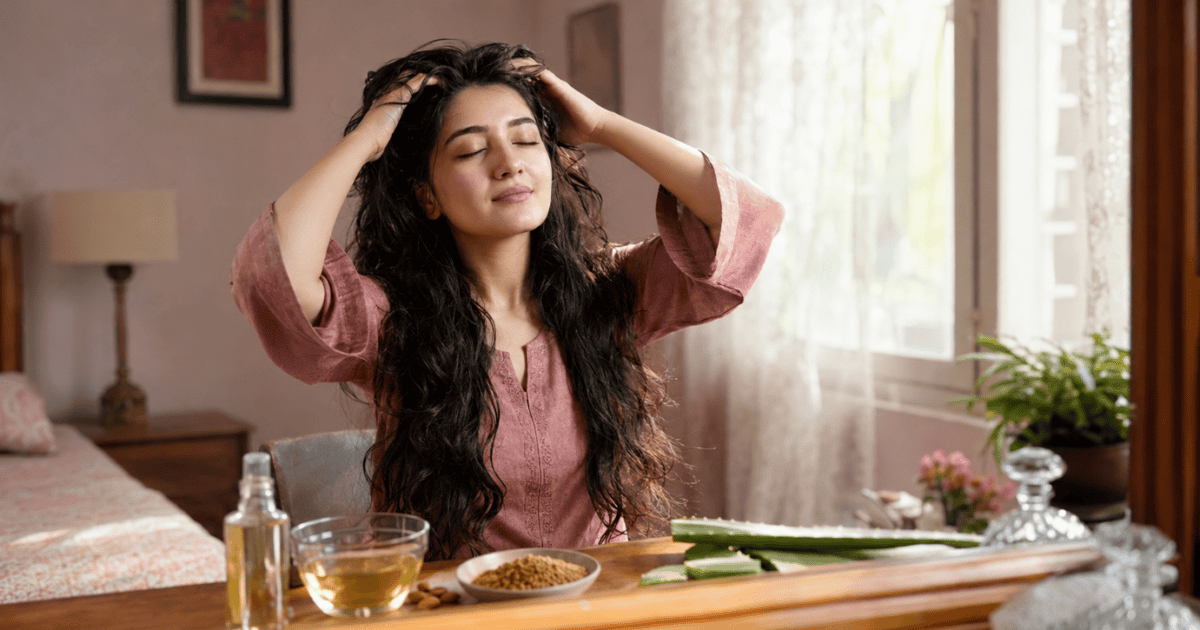
If you want to know how to stop hair fall naturally, the good news is that the most effective solutions are already in your kitchen. Losing a few strands of hair every day is completely normal — but when your comb fills up, your pillow is covered in hair, or your ponytail feels thinner than it used to, it is time to take action.
Why Does Hair Fall Happen in the First Place?
Before you can fix the problem, it helps to understand what is causing it. Hair fall in women is rarely caused by just one thing. Most of the time, it is a combination of factors working against you at the same time.
Nutritional deficiencies are one of the most common causes. If your body is low in iron, vitamin D, biotin, or protein, your hair follicles simply do not get the fuel they need to stay strong. This is especially common in women who skip meals, follow crash diets, or have heavy periods.
Hormonal changes also play a major role. Pregnancy, postpartum recovery, thyroid issues, and PCOS are all linked to increased hair shedding.
Stress — both physical and emotional — is another major trigger. When your body goes through stress, it can push hair follicles into a resting phase, causing shedding weeks or even months later.
Other common causes include tight hairstyles that pull on the roots, excessive heat styling, harsh shampoos, and scalp conditions like dandruff.
The Best Natural Oils to Stop Hair Fall
Oil massage is one of the oldest and most effective home remedies for hair fall, and there is real science behind why it works. Massaging the scalp increases blood circulation to the hair follicles, delivering oxygen and nutrients directly where they are needed.
Coconut oil is the most popular choice — and for good reason. It is rich in lauric acid, which penetrates deep into the hair shaft and reduces protein loss. Warm a few tablespoons of pure coconut oil, apply it to your scalp, and massage gently for 5 to 10 minutes. Leave it on for at least an hour or overnight, then wash off with a mild shampoo.
Castor oil is another powerhouse for hair fall. It is thick and rich in ricinoleic acid, which has anti-inflammatory properties and helps stimulate hair growth. Because it is heavy, mix it with a lighter oil like coconut or almond oil before applying.
Onion oil has gained a lot of attention in recent years. Onion is high in sulfur, which supports collagen production and strengthens hair at the roots. You can find onion oil in most pharmacies now, or make your own by simmering onion slices in coconut oil.
Almond oil is a gentler option, ideal for women with sensitive scalps. It is packed with vitamin E, which protects hair follicles from damage caused by free radicals.
Aim to oil your hair at least twice a week for visible results within 4 to 6 weeks.
Hair Masks That Reduce Hair Fall Naturally
Homemade hair masks give your scalp and strands a concentrated dose of nourishment that regular shampoo and conditioner cannot always provide.
Egg and olive oil mask: Beat one egg and mix it with two tablespoons of olive oil. Apply from roots to tips, leave for 30 minutes, and rinse with cool water. Egg is loaded with protein and biotin — two nutrients your hair absolutely needs to stay strong.
Yogurt and honey mask: Mix half a cup of plain yogurt with one tablespoon of honey. Apply to the scalp and hair, leave for 20 minutes, then rinse. Yogurt contains lactic acid that gently cleanses the scalp while honey locks in moisture.
Aloe vera mask: Fresh aloe vera gel applied directly to the scalp can reduce dandruff, balance scalp pH, and create the ideal environment for healthy hair growth. Leave it on for 30 minutes before washing off.
Fenugreek (methi) mask: Soak fenugreek seeds overnight, grind them into a paste, and apply to the scalp. Fenugreek is rich in proteins and nicotinic acid, both of which are known to strengthen hair follicles and reduce shedding.
Foods That Stop Hair Fall from the Inside
No amount of external treatment will fully work if your diet is not supporting your hair from within. Your hair is made of a protein called keratin, and every nutrient that supports keratin production directly supports hair strength and growth.
Eggs are one of the best foods for hair health. They provide both protein and biotin, which is essential for keratin production. Try to include eggs in your breakfast at least 4 to 5 times a week.
Spinach and leafy greens are rich in iron, folate, and vitamins A and C. Iron helps carry oxygen to your hair follicles, and without enough of it, your hair enters a shedding phase.
Lentils and dals are staples in Pakistani cooking and happen to be excellent for hair. They are high in protein, iron, zinc, and biotin — all critical nutrients for hair health.
Nuts and seeds — especially almonds, walnuts, and sunflower seeds — are packed with vitamin E, zinc, and omega-3 fatty acids that nourish hair follicles and reduce inflammation on the scalp.
Sweet potatoes are an excellent source of beta-carotene, which your body converts into vitamin A. Vitamin A helps produce sebum, the natural oil that keeps your scalp healthy and your hair moisturised.
Scalp Care Habits That Make a Real Difference
Do not wash your hair every day. Washing too frequently strips the scalp of its natural oils, leaving hair dry and prone to breakage. Two to three times a week is ideal for most hair types.
Use a sulfate-free or mild shampoo. Harsh chemicals in regular shampoos can weaken the hair shaft and irritate the scalp. Look for shampoos with natural ingredients like neem, amla, or bhringraj.
Be gentle when your hair is wet. Wet hair is at its most fragile. Avoid rubbing it with a towel — instead, gently squeeze out the moisture and let it air dry whenever possible.
Avoid tight hairstyles. Tight braids, high ponytails, and buns that pull on the roots cause a type of hair loss called traction alopecia. Wear your hair loose at home whenever you can.
Sleep on a soft pillowcase. Cotton pillowcases create friction that can lead to hair breakage overnight. Switching to a silk or satin pillowcase is a simple change that protects your hair while you sleep.
The Role of Stress in Hair Fall
Stress is one of the most underestimated causes of hair fall in women. When the body is under physical or emotional stress, it can trigger a condition called telogen effluvium, where a large number of hair follicles enter the resting phase at the same time. The result is noticeable hair shedding, usually 2 to 3 months after the stressful event.
Regular exercise — even a 20-minute walk every day — significantly reduces cortisol, the stress hormone that disrupts hair growth. Getting 7 to 8 hours of sleep each night allows your body to repair and regenerate, including your hair follicles.
If you find that your hair fall started after a major life event — illness, childbirth, an exam period, or a family crisis — give your body time and consistent care. Hair fall from stress is almost always reversible once the underlying cause is addressed.
How Long Does It Take to See Results?
Most women start noticing less hair fall within 4 to 6 weeks of consistent care. Actual new hair growth becomes visible at around 3 months. For significant improvement in thickness and volume, give yourself 6 months of regular oiling, a nutritious diet, and gentle hair care.
Frequently Asked Questions
Q: What is the fastest natural remedy for hair fall?
A: Onion oil and egg masks are among the fastest-acting natural remedies. Onion oil applied twice a week has shown results in as little as 4 to 6 weeks in multiple studies.
Q: Can oiling every day stop hair fall?
A: Daily oiling is not necessary and can actually clog the scalp pores if done too frequently. Two to three times a week is the ideal frequency for most women.
Q: Which vitamin deficiency causes the most hair fall?
A: Iron and vitamin D deficiencies are the two most common nutritional causes of hair fall in women. A simple blood test can confirm which deficiency, if any, is affecting you.
Q: Is hair fall during pregnancy normal?
A: Increased hair fall is very common during pregnancy and especially in the postpartum period. This is caused by hormonal changes and is usually temporary. Most women see their hair return to normal within 6 to 12 months after delivery.
Q: Does stress really cause hair fall?
A: Yes, absolutely. Emotional and physical stress can cause a condition called telogen effluvium, where the hair cycle is disrupted and large amounts of hair shed over a short period.
Q: What foods should I avoid if I have hair fall?
A: Avoid crash diets, excessive sugar, and heavily processed or fried foods. These spike inflammation in the body and can disrupt the nutrients available to your hair follicles.
Conclusion
Stopping hair fall naturally is absolutely possible — but it requires consistency, not miracles. Start with oiling your scalp twice a week, add more protein and iron to your meals, handle your hair gently every day, and give your body time to respond. The combination of good nutrition, scalp care, and stress management is far more powerful than any one remedy alone.
Your hair health reflects your overall health. Take care of yourself from the inside, and your hair will follow.