You know that “glowing skin” look the moment you see it — dewy, healthy, lit-from-within, the kind of complexion that makes people ask what your secret is. Here’s the thing: it’s rarely one magic product. It’s almost always a combination of simple, consistent habits working together. If you’ve been chasing that glow through expensive serums alone, this guide walks through how to get glowing skin naturally — the real, evidence-backed basics that make the biggest difference.
Quick Answer: How to Get Glowing Skin Naturally
Natural, radiant-looking skin comes from a combination of consistent hydration, gentle daily skincare (cleansing, moisturizing, and daily sunscreen), a nutrient-rich diet with antioxidants and healthy fats, adequate sleep, and regular gentle exfoliation. There’s no overnight fix — glowing skin is built through consistent habits over weeks, not a single product or remedy.
Hydration: The Foundation of a Healthy Glow
Well-hydrated skin genuinely looks plumper, smoother, and more radiant, since adequate hydration supports your skin’s barrier function and overall texture. This means both drinking enough water throughout the day and using hydrating skincare products (like hyaluronic acid) that help your skin hold onto moisture.


The Skincare Basics That Matter Most
Gentle Cleansing
Cleansing removes dirt, oil, and buildup that can leave skin looking dull. Use a gentle, non-stripping cleanser — over-washing or using harsh formulas can actually damage your skin barrier and leave skin looking worse, not better.
Daily Moisturizer
A good moisturizer locks in hydration and supports a smoother, more even skin texture. Choose a formula suited to your skin type — lighter gel formulas for oily skin, richer creams for dry skin.
Sunscreen — Every Single Day
This might be the single most important habit for skin that looks healthy and radiant long-term. UV exposure is a major driver of dullness, uneven tone, and premature aging. A broad-spectrum SPF 30+ used daily protects the glow you’re working to build.
Gentle Exfoliation
Regularly removing built-up dead skin cells reveals smoother, brighter skin underneath and helps your other products absorb more effectively. Stick to 1–2 times a week with a gentle exfoliant — over-exfoliating can damage your skin barrier and actually cause dullness and irritation.
Diet: What You Eat Genuinely Shows on Your Skin
Antioxidant-Rich Foods
Berries, leafy greens, and colorful vegetables help protect skin cells from damage caused by free radicals, supporting a healthier, more radiant appearance over time.
Healthy Fats
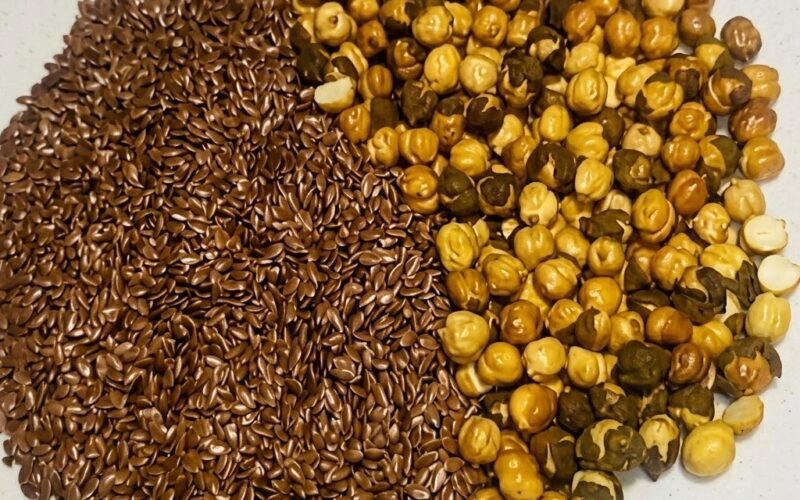
Omega-3 fatty acids from fatty fish, walnuts, and flaxseeds support your skin’s natural barrier and can help skin appear more supple and hydrated.
Vitamin C
Found in citrus fruits, bell peppers, and strawberries, vitamin C supports collagen production, which plays a meaningful role in skin’s firmness and overall radiance.
Limit Excess Sugar
High sugar intake has been linked to a process called glycation, which can affect collagen and contribute to a duller, less resilient complexion over time. Moderation, rather than complete elimination, is a reasonable approach.
Sleep: Your Skin’s Repair Window
Your skin does much of its repair and regeneration work while you sleep. Consistently poor sleep is linked to a duller complexion, increased puffiness, and more visible signs of stress on the skin. Prioritizing 7–9 hours of quality sleep genuinely supports that healthy, rested glow.
Facial Massage for Circulation
Gentle facial massage can help improve blood circulation to the skin, supporting a healthier, more radiant appearance. Using upward, outward strokes with a facial oil for a few minutes daily is a simple, relaxing habit worth building into your routine.
Manage Stress
Chronic stress can affect skin through hormonal pathways, sometimes contributing to breakouts, dullness, or a tired-looking complexion. Simple stress management practices — movement, deep breathing, adequate downtime — genuinely support your skin’s appearance alongside everything else.
Natural Ingredients Worth Knowing
- Aloe vera: Hydrating and soothing, supporting a plump, calm complexion.
- Honey: A natural humectant that helps draw and retain moisture, with mild antibacterial properties.
- Green tea: Rich in antioxidants that may help protect skin from environmental damage when used topically or consumed as tea.
- Rosehip oil: Contains vitamin A and fatty acids that may support skin texture and tone over time.
Movement and Circulation
Regular physical activity increases blood flow throughout the body, including to the skin, which can contribute to a healthier, more radiant complexion as a natural side benefit of an active lifestyle.
Don’t Forget Your Neck and Hands
These areas are often skipped in skincare routines but show signs of aging and sun exposure just as much as your face. Extending your cleansing, moisturizing, and sunscreen routine to your neck, chest, and hands supports a more even, radiant look overall.
Myths Worth Busting
- No single product creates an overnight glow. Genuinely radiant skin is built through consistent habits over weeks, not a single miracle serum.
- More products isn’t automatically better. A simple, consistent routine often outperforms an overwhelming, inconsistent one — your skin needs time to respond to any given product.
- “Natural” doesn’t always mean gentle. Some natural ingredients, like undiluted lemon juice or essential oils, can actually irritate skin — always patch test new additions.
When to See a Dermatologist
If you’re consistently following these habits and still struggling with persistent dullness, uneven tone, or other skin concerns, a dermatologist can help identify underlying factors and recommend more targeted treatments, including professional-grade ingredients or procedures suited to your specific skin.
Frequently Asked Questions
What is the fastest way to get glowing skin naturally?
While there’s no true overnight fix, a combination of proper hydration, gentle exfoliation, and adequate sleep tends to produce noticeable improvements in skin’s appearance within days to a couple of weeks of consistent effort.
Does diet really affect how your skin looks?
Yes — a diet rich in antioxidants, healthy fats, and vitamin C genuinely supports skin’s structure and radiance, while excess sugar intake has been linked to processes that can dull skin’s appearance over time.
Is drinking more water enough for glowing skin?
Hydration is an important piece, but it works best alongside other habits like proper skincare, sunscreen, sleep, and a nutrient-rich diet — no single habit alone creates a full, lasting glow.
Why does my skin look dull even with a skincare routine?
Dullness can result from insufficient exfoliation, dehydration, poor sleep, high stress, or an unbalanced diet. Reviewing your overall habits — not just your skincare products — often reveals what’s missing.
The Bottom Line
Learning how to get glowing skin naturally really comes down to consistency across a few key areas — hydration, gentle skincare with daily sunscreen, a nutrient-rich diet, and good sleep. There’s no overnight shortcut, but these habits, built consistently over time, genuinely add up to the healthy, radiant complexion you’re after.
Disclaimer: This article is for informational purposes only and is not a substitute for professional medical or dermatological advice. Always consult a licensed dermatologist for persistent skin concerns or before introducing new active ingredients if you have sensitive skin.