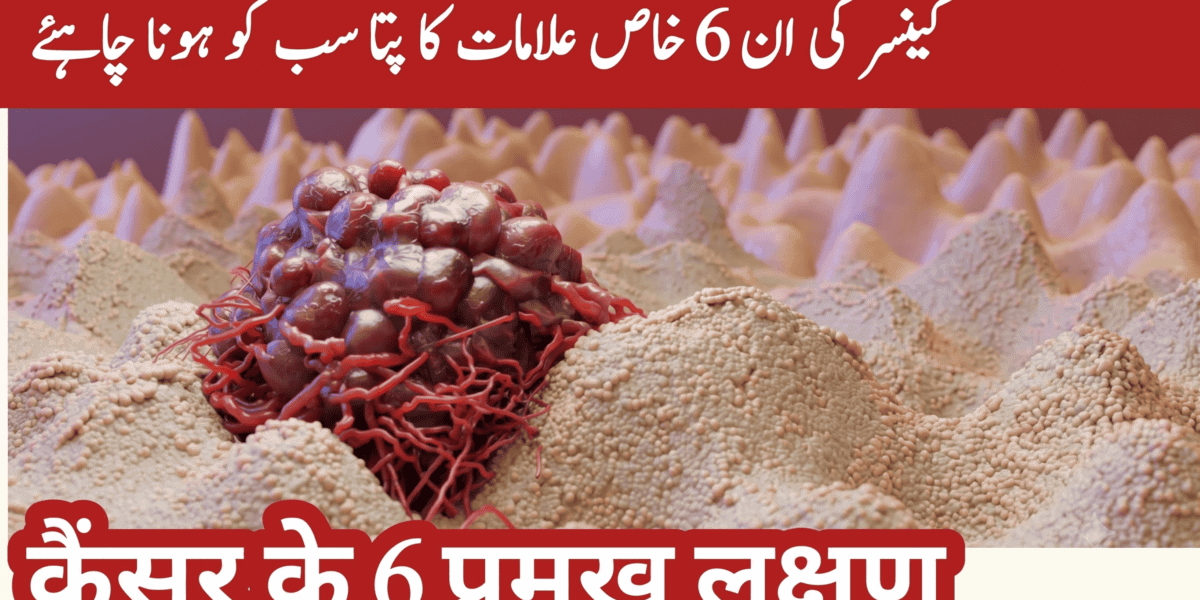
Cancer is one of those topics that can feel simultaneously overwhelming and out of your hands — genetics, environment, and plain bad luck all play a role, and no lifestyle habit can guarantee protection. But here’s the part that’s genuinely empowering: research has identified several everyday habits that meaningfully lower cancer risk for many people. This isn’t about fear or false promises — it’s about focusing your energy on the things that actually matter, backed by real evidence. Here’s an honest, clear look at natural ways to reduce cancer risk.
Quick Answer: Natural Ways to Reduce Cancer Risk
Evidence-based ways to help lower cancer risk include not smoking, maintaining a healthy weight, staying physically active, eating a diet rich in fruits, vegetables, and fiber while limiting processed and red meat, limiting alcohol, protecting your skin from excessive UV exposure, and staying up to date on recommended cancer screenings. No single habit eliminates risk entirely, and these strategies work best as an overall pattern of care rather than isolated fixes. Regular checkups and screenings remain essential for early detection.
An Honest Starting Point
It’s important to say clearly: no home remedy, food, or supplement can cure or prevent cancer with certainty, and any source claiming otherwise should be treated with real skepticism. What research does show is that certain lifestyle factors are associated with meaningfully lower risk across large populations over time. This article focuses on those well-supported habits — not miracle claims.

Don’t Smoke — and Avoid Secondhand Smoke
Smoking is one of the most well-established, significant risk factors for multiple types of cancer, particularly lung cancer, and quitting is one of the single most impactful things a person can do for long-term cancer risk reduction. It’s genuinely never too late to benefit from quitting — risk begins decreasing relatively soon after stopping, and continues to decline over time. If you smoke, talking to your doctor about quitting resources and support can make the process more manageable.
Maintain a Healthy Weight
Excess body weight is linked to an increased risk of several cancer types, partly due to its effects on hormone levels and chronic inflammation in the body. Working toward and maintaining a healthy weight through sustainable diet and activity habits is a genuinely meaningful piece of long-term cancer risk reduction.
Stay Physically Active
Regular physical activity is associated with lower risk for several cancer types, independent of its effects on weight. Most health guidelines recommend building toward at least 150 minutes of moderate activity per week — but any consistent movement, from brisk walking to structured exercise, contributes meaningfully over time.
Eat a Diet Rich in Fruits, Vegetables, and Fiber
A diet high in plant-based foods provides antioxidants, fiber, and a wide range of protective plant compounds that are associated with lower cancer risk in large population studies.
- Colorful fruits and vegetables: Provide antioxidants that help combat cellular damage linked to cancer development.
- Whole grains and legumes: High fiber intake is associated with reduced risk of certain cancers, particularly colorectal cancer.
- Limiting processed and red meat: High intake of processed meats in particular is associated with increased risk of colorectal cancer, based on substantial research.
Rather than focusing on any single “superfood,” the overall pattern of a plant-rich, minimally processed diet is what the evidence most strongly supports.
Limit Alcohol
Alcohol consumption is linked to an increased risk of several cancer types, including breast, liver, and colorectal cancer, with risk generally increasing alongside the amount consumed. If you drink, doing so in moderation — or choosing not to drink at all — is a meaningful way to reduce this particular risk factor.
Protect Your Skin From Excessive UV Exposure
Skin cancer, including melanoma, is strongly linked to UV exposure from the sun and tanning beds. Protective habits genuinely reduce risk:
- Use broad-spectrum sunscreen with SPF 30 or higher daily.
- Seek shade during peak sun hours, generally late morning through mid-afternoon.
- Wear protective clothing and sunglasses when spending extended time outdoors.
- Avoid tanning beds, which are associated with a significantly increased risk of skin cancer.
Prioritize Sleep and Manage Stress
While the connection is less direct than factors like smoking or diet, chronic poor sleep and long-term unmanaged stress are associated with broader health effects, including immune function changes, that researchers continue to study in relation to cancer risk. Prioritizing good sleep and stress management supports your overall health and immune resilience, which is a reasonable, evidence-aligned goal in its own right.
Get Vaccinated Where Relevant
Certain vaccines help protect against infections linked to specific cancers. The HPV vaccine, for example, significantly reduces risk of cervical and several other cancers linked to human papillomavirus infection, while the hepatitis B vaccine reduces risk of liver cancer associated with chronic hepatitis B infection. Talk to your doctor about which vaccines may be appropriate for you.
Stay Up to Date on Recommended Screenings
Lifestyle habits reduce risk, but they don’t eliminate it — which is why regular screening remains essential for early detection, when many cancers are most treatable. Recommended screenings vary by age, sex, and personal or family history, and can include:
- Mammograms for breast cancer
- Pap smears and HPV testing for cervical cancer
- Colonoscopies or other colorectal cancer screening
- Skin checks for unusual moles or changes
Talk to your doctor about which screenings are appropriate for your age, risk factors, and family history.
Know Your Family History
Some cancers have a genetic or hereditary component. Knowing your family’s health history and sharing it with your doctor can help determine whether earlier or more frequent screening, or genetic counseling, might be appropriate for you.
Myths Worth Busting
- No single food “cures” or “prevents” cancer. While a healthy diet supports lower risk, no individual food or supplement guarantees prevention — be wary of any source claiming otherwise.
- “Detox” diets and cleanses don’t prevent cancer. These claims aren’t supported by scientific evidence; your liver and kidneys already handle detoxification naturally.
- A cancer diagnosis is never anyone’s “fault.” Even with ideal lifestyle habits, cancer can still occur due to genetics, environmental factors, or simply chance — risk reduction is not the same as guaranteed prevention.
When to Talk to a Doctor
Reach out to a doctor if you notice any persistent, unexplained changes in your body — unusual lumps, changes in moles, unexplained weight loss, persistent fatigue, or changes in bowel or bladder habits. Early evaluation matters, and it’s always better to have something checked and find it’s nothing serious than to wait.
Frequently Asked Questions
Can lifestyle changes really reduce cancer risk?
Yes — extensive research links habits like not smoking, maintaining a healthy weight, staying active, and eating a plant-rich diet to meaningfully lower risk for several cancer types across large populations. That said, no lifestyle change guarantees prevention.
What is the single most important thing I can do to lower cancer risk?
Not smoking is widely considered the most significant, well-established individual factor for reducing cancer risk, given its strong link to multiple cancer types.
Does diet alone prevent cancer?
No single diet or food guarantees cancer prevention, but an overall diet rich in fruits, vegetables, and fiber, with limited processed and red meat, is associated with meaningfully lower risk as part of a broader healthy lifestyle.
How important are cancer screenings if I live a healthy lifestyle?
Very important. Lifestyle habits reduce risk but don’t eliminate it, and many cancers are most treatable when caught early through appropriate screening. Talk to your doctor about which screenings are right for you based on your age and risk factors.
The Bottom Line
While no lifestyle change can guarantee complete protection, natural ways to reduce cancer risk — not smoking, maintaining a healthy weight, staying active, eating well, limiting alcohol, protecting your skin, and staying current on screenings — genuinely add up to a meaningfully lower risk profile over time. Focus your energy on these well-supported habits, stay in regular contact with your doctor, and be wary of any source promising more than that.
Disclaimer: This article is for informational and educational purposes only and is not a substitute for professional medical advice, diagnosis, or treatment. It does not describe cancer treatment and should never be used as a substitute for guidance from an oncologist or other qualified healthcare provider. Always consult a doctor regarding your individual cancer risk, screening schedule, and any symptoms of concern.